Featured
Table of Contents
- – Updating the Means Test in the Surrounding Area
- – Chapter 13 and the Five-Year Plan Extension
- – Medical Debt and the 2026 Exclusions
- – Small Company Relief and Subchapter V
- – The Role of Nonprofit Credit Counseling in 2026
- – Housing Counseling and HUD Standards
- – Trainee Loans and the Path to Release
Economic shifts in 2026 have actually caused substantial adjustments in how people and services approach insolvency. High interest rates and altering work patterns created a need for more versatile legal structures. The 2026 Personal bankruptcy Code updates concentrate on broadening access to relief while ensuring that the system remains fair to both creditors and debtors. These changes affect everybody from single-family homes in the local market to massive business throughout the nation.
Updating the Means Test in the Surrounding Area
The core of any Chapter 7 filing is the ways test, which determines if a filer has enough non reusable earnings to repay some of their financial obligations through a Chapter 13 strategy. In 2026, the federal government upgraded the median earnings figures to show the sharp increase in housing and energy costs. For locals in local municipalities, this indicates that the threshold for qualifying for an overall debt discharge has actually increased. Filers whose income falls listed below the brand-new 2026 state median are now more most likely to get approved for Chapter 7 without the substantial documents previously needed.
The updated code also presents a particular allowance for "inflation-impacted expenditures." This allows people in various regions to deduct greater costs for groceries and utilities before the court calculates their disposable earnings. These modifications acknowledge that a dollar in 2026 does not go as far as it did even a couple of years earlier. Increasing interest in Debt Management has actually assisted clarify the alternatives readily available to those facing these monetary pressures.
Chapter 13 and the Five-Year Plan Extension
Chapter 13 insolvency, typically called a wage earner's plan, has seen its own set of 2026 modifications. The primary upgrade includes the treatment of home loan financial obligations. Under the brand-new guidelines, property owners in the local vicinity can now extend their payment prepares to 72 months if they are trying to save a main residence from foreclosure. This additional year supplies a buffer for families who have fallen back due to medical emergencies or temporary task loss.
Moreover, the 2026 updates have actually simplified the "cramdown" process for particular protected financial obligations. In the past, reducing the primary balance on a vehicle loan to the real value of the vehicle was difficult. New 2026 guidelines make this process more accessible for middle-income filers, provided the loan is at least 2 years old. This change helps numerous individuals preserve the transportation they require for work while managing a sustainable spending plan.
Medical Debt and the 2026 Exclusions
One of the most talked-about changes in the 2026 Personal bankruptcy Code is the treatment of medical financial obligation. Acknowledging that health-related expenditures are the leading cause of insolvency in the United States, the legislature passed the Medical Financial obligation Relief Act of 2026. This law dictates that medical financial obligation is no longer considered in the methods test calculation for Chapter 7 eligibility. Essentially, having large medical expenses will not avoid somebody from receiving personal bankruptcy, even if their earnings is a little above the average.
In addition, 2026 guidelines avoid medical debt from being reported to credit bureaus when a bankruptcy case is filed. This permits for a much faster recovery of credit history for homeowners in their local communities. The objective is to separate inescapable health costs from discretionary spending routines, providing truthful debtors an authentic clean slate. Strategic Financial Recovery Plans deals unique advantages over traditional liquidation for those whose debt is mainly connected to health center stays or long-lasting care.
Small Company Relief and Subchapter V
Small company owners in the surrounding region have actually gained from the permanent extension of the Subchapter V debt limits. A momentary step, the 2026 updates have actually set the financial obligation ceiling for small organization reorganization at $7.5 million forever. This enables entrepreneurs to keep their doors open while reorganizing their commitments without the enormous administrative expenses of a standard Chapter 11 filing.
The 2026 version of Subchapter V also consists of a new "debtor-in-possession" security that simplifies the interaction in between business debt and individual liability. For many company owner in nearby towns, their personal properties are often connected to their business loans. The updated code supplies a clearer path to shield personal homes and retirement accounts during a business restructuring, offered the owner follows a court-approved therapy program.
The Role of Nonprofit Credit Counseling in 2026

Before any person can declare bankruptcy in 2026, they should complete a pre-filing credit counseling session with a DOJ-approved firm. These companies, frequently running as 501(c)(3) nonprofits, serve a crucial function by reviewing an individual's whole financial picture. In 2026, these sessions have actually become more thorough, incorporating digital tools that assist residents in the regional area see exactly how a personal bankruptcy filing will affect their long-term objectives.
These not-for-profit companies do not simply concentrate on personal bankruptcy. They likewise use debt management programs (DMP) as an alternative to legal filings. A DMP combines various unsecured financial obligations into one month-to-month payment, frequently with lower interest rates worked out straight with financial institutions. For lots of in the local area, this offers a method to repay what they owe without the long-term effect of a bankruptcy on their credit report. Those searching for Debt Management in Peoria will discover that 2026 policies prefer earlier intervention through these not-for-profit channels.
Housing Counseling and HUD Standards
For those fretted about losing their homes, 2026 has brought a tighter combination between personal bankruptcy courts and HUD-approved housing therapy. If a filer in the surrounding market mentions a danger of foreclosure, the court now often mandates a session with a housing therapist. These experts search for loan adjustments, partial claims, or other loss mitigation choices that might exist beyond the insolvency procedure.
This holistic approach guarantees that personal bankruptcy is the last resort rather than the. In 2026, the success rate for Chapter 13 strategies has actually increased due to the fact that filers are much better informed on their real estate rights before they enter the courtroom. Financial literacy programs, often provided by the same firms that handle pre-bankruptcy education, are now a requirement for the final discharge of financial obligation. This ensures that the patterns causing insolvency are attended to, preventing a cycle of repeat filings.
Trainee Loans and the Path to Release
The 2026 updates have actually finally addressed the "undue hardship" standard for trainee loans, which was traditionally challenging to fulfill. While trainee loans are not instantly discharged, the brand-new 2026 Department of Justice guidelines have simplified the process for the court to acknowledge when a debtor has no reasonable possibility of repaying the debt. This is especially handy for older residents in the local region who are going into retirement with significant education financial obligation.
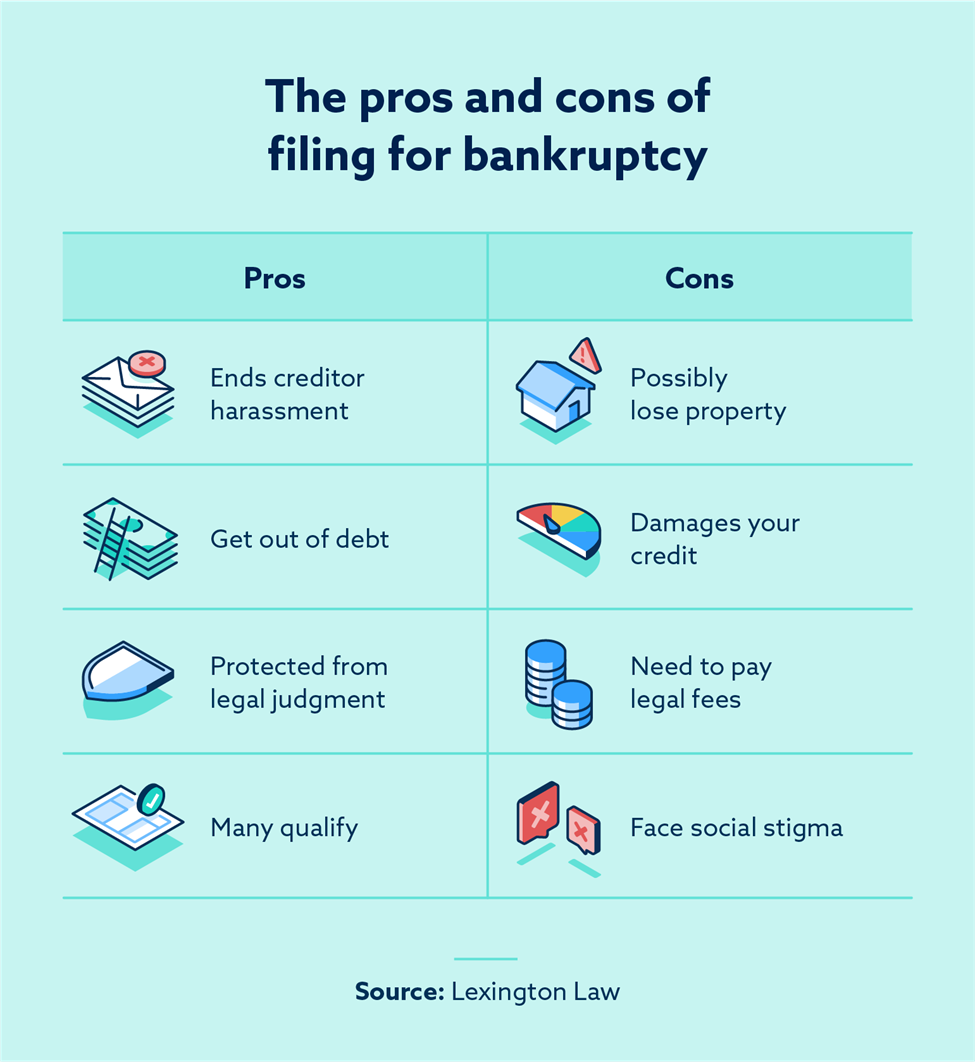
Under the 2026 rules, if a debtor has actually been in payment for a minimum of 10 years and their earnings is below a specific level, the insolvency court can now purchase a partial discharge or a permanent rates of interest freeze. This shift acknowledges that education debt has become a structural part of the economy that needs specific legal remedies. The focus has moved from "can the debtor pay?" to "is it fair to force them to pay?" because of their overall financial health.
Navigating the 2026 insolvency environment requires a clear understanding of these brand-new rules. Whether it is the exemption of medical financial obligation, the extension of repayment strategies, or the specialized defenses for small companies in various locations, the objective is clear. The 2026 Bankruptcy Code updates intend to offer a more humane and efficient path back to monetary stability for everybody included.

Table of Contents
- – Updating the Means Test in the Surrounding Area
- – Chapter 13 and the Five-Year Plan Extension
- – Medical Debt and the 2026 Exclusions
- – Small Company Relief and Subchapter V
- – The Role of Nonprofit Credit Counseling in 2026
- – Housing Counseling and HUD Standards
- – Trainee Loans and the Path to Release
Latest Posts
Improving Credit Health With Proven Education
How to Consolidate High Interest Debt in 2026
Comparing Interest Saving Methods for Consumer Loans
More
Latest Posts
Improving Credit Health With Proven Education
How to Consolidate High Interest Debt in 2026
Comparing Interest Saving Methods for Consumer Loans